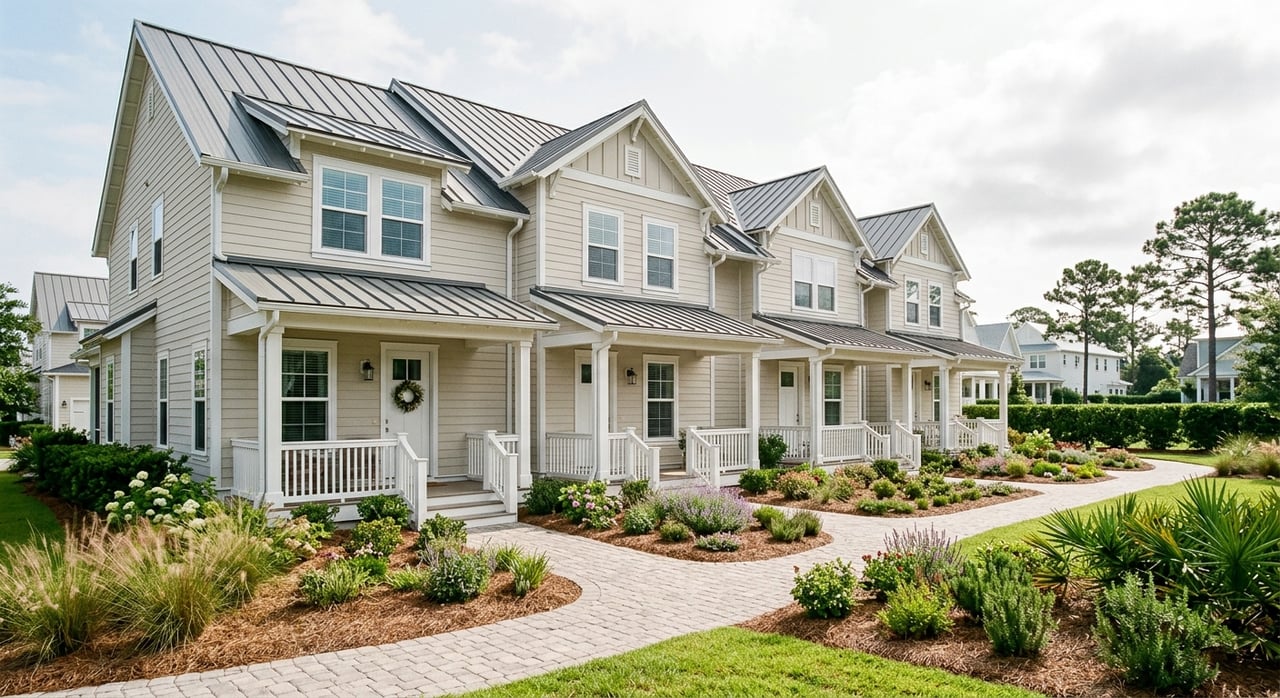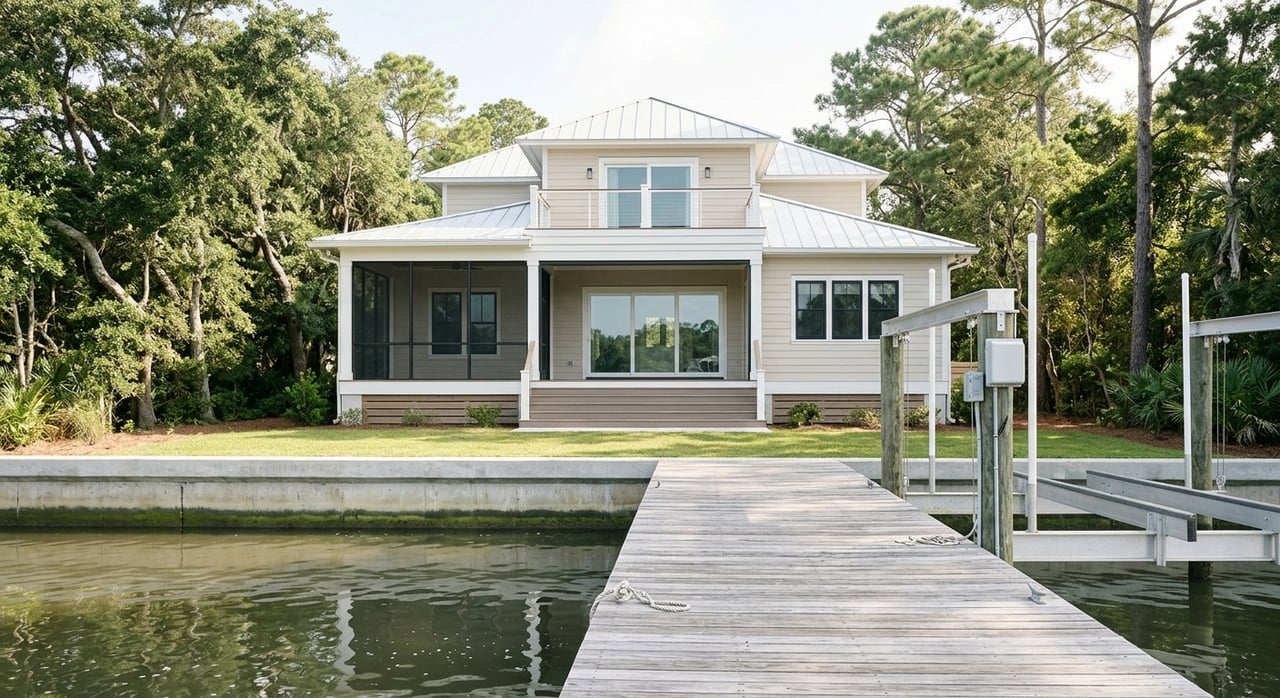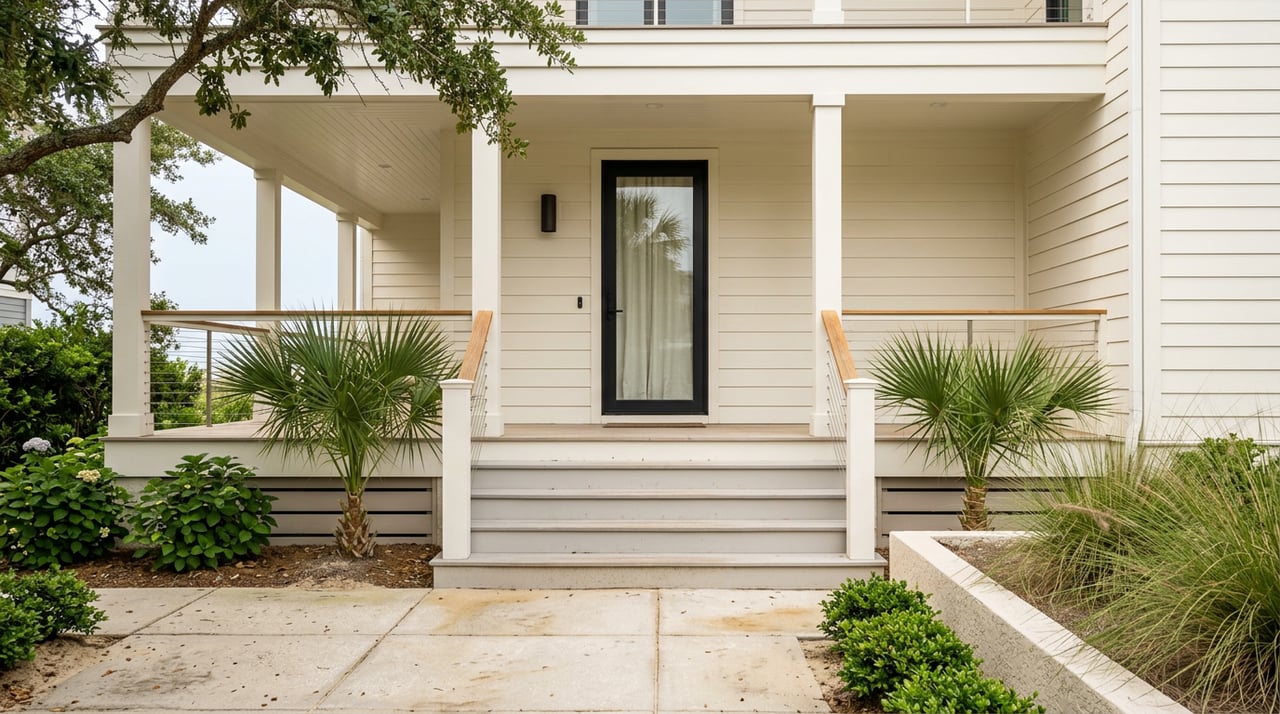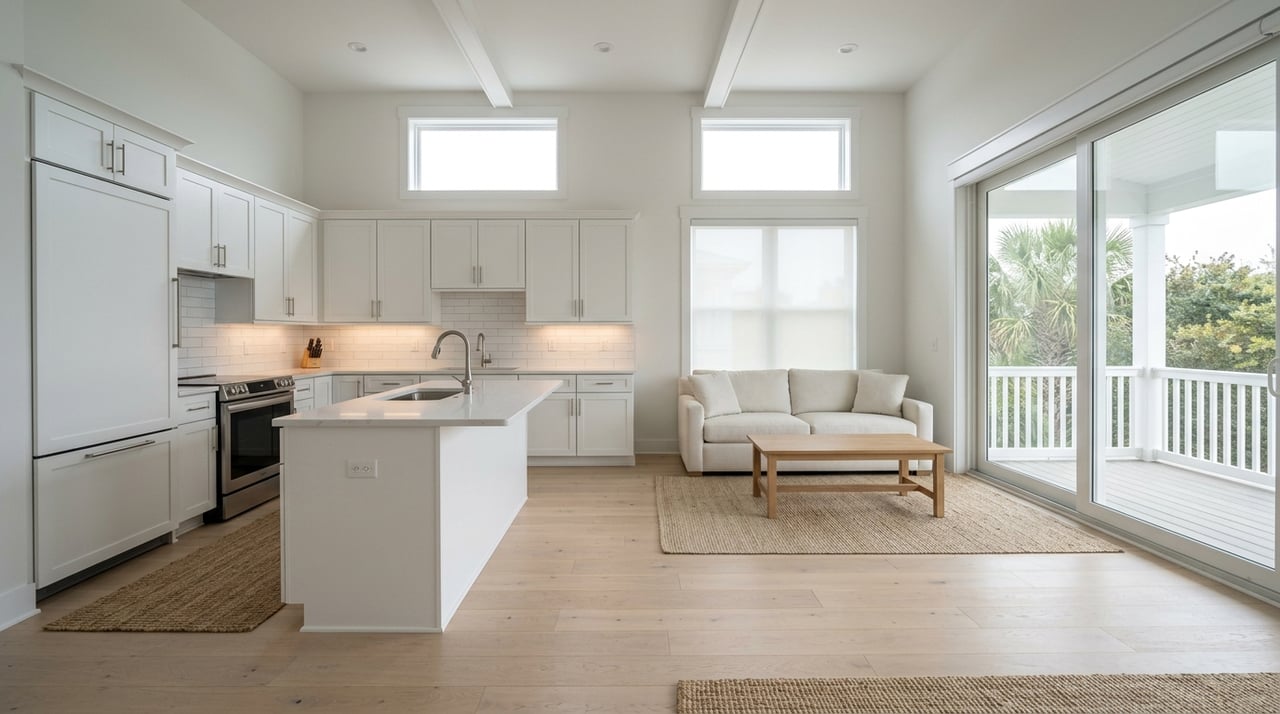
Thinking about buying a vacation rental home in Topsail Beach? You are not alone. For many buyers, the appeal is easy to understand: a relaxed coastal setting, personal getaway potential, and the chance to generate rental income when you are not using the home. If you want to buy with more confidence, it helps to understand how Topsail Beach works as both a lifestyle destination and a short-term rental market. Let’s dive in.
Why Topsail Beach Appeals to Vacation Rental Buyers
Topsail Beach sits in Pender County’s coastal tourism corridor, where tourism plays a meaningful role in the local economy. In 2023, visitor spending in Pender County reached $199.12 million, tourism directly employed more than 1,000 people, and travel-related businesses generated about $9.1 million in local taxes. That kind of activity supports the case for a vacation-focused property in this part of the coast.
The town itself offers the kind of setting many second-home buyers want. Visit Pender describes Topsail Beach as a relaxed, family-oriented destination with beaches, restaurants, shops, a fishing pier, a marina, and a boat ramp. If you are buying with both personal use and guest appeal in mind, that mix of coastal amenities matters.
Seasonality Shapes Rental Performance
One of the most important things to understand is that Topsail Beach is a seasonal market. The strongest demand is generally tied to late spring through early fall, with town parking rules showing a clear tourism rhythm. Paid parking is enforced at specific accesses from March 1 through October 31, and tourist-season parking limits run from May through September.
That pattern matters because your income may not arrive evenly throughout the year. Local rental practices often center on full-week summer stays and more flexible partial-week stays in shoulder seasons. If you are evaluating a property, you should think beyond peak summer revenue and consider how the home may perform in spring and fall as well.
Know the Short-Term Rental Rules
Before you buy, make sure you understand how North Carolina defines a vacation rental. Under the North Carolina Vacation Rental Act, a vacation rental is the rental of residential property for fewer than 90 days. The law requires a written rental agreement that explains landlord or broker obligations, tenant obligations, and what will be paid.
That legal framework is important if you plan to rent your home to guests. The North Carolina Department of Justice also notes that the property must be kept safe and habitable. In practical terms, this means your purchase decision should account for ongoing upkeep, repairs, and guest-ready condition.
Understand Taxes Before You Buy
Taxes can affect your carrying costs and your monthly operations, so they deserve close attention early in the process. Pender County levies a 6% occupancy tax on short-term rentals in Topsail Beach town limits. For this purpose, a short-term rental is also defined as a stay of fewer than 90 days.
In addition, the North Carolina Department of Revenue lists Pender County’s sales and use tax rate at 6.75%. Pender County states that the occupancy tax is generally due by the 15th of the following month and may be remitted by the owner, accommodation manager, or short-term rental operator. If you are comparing homes, it is smart to look at projected gross income alongside the tax obligations and management structure.
Town Rules Can Affect Guest Experience
A vacation rental is not just about the house itself. It is also about how easy and comfortable the stay feels for guests once they arrive. In Topsail Beach, several town rules can shape that experience.
For example, open fires on the beach are not allowed. Dogs must be leashed during specified seasonal periods town-wide, including on the beach. Golf carts are not permitted on state or town-owned streets, and four-wheel-drive beach driving is limited to the south end of the strand between October 1 and January 15 for fishing only with a permit.
Trash service also matters more than many buyers expect. The town notes that trash is collected every Monday year-round, with an extra Thursday pickup during the summer season. These details may seem small, but they can influence guest convenience, house rules, and how you set expectations in your rental agreement or management plan.
Storm Planning Is Part of Coastal Ownership
If you are buying in Topsail Beach, storm planning should be part of your due diligence from the start. The town says most local emergencies are weather-related, and hurricane season runs from June to November, with the most active months in August, September, and October. Owners should be prepared for evacuation and re-entry procedures.
This does not mean you should avoid buying near the coast. It does mean you should approach ownership with a clear plan. As you evaluate homes, think about how the property may be maintained, monitored, and prepared before a storm, especially if you live out of town.
Review HOA Rules Carefully
If the property is in a homeowners association, do not assume the HOA allows the kind of renting you have in mind. The North Carolina Department of Justice notes that HOAs created after January 1, 1999 are generally governed by the North Carolina Planned Community Act, and there is no state or federal agency overseeing HOAs. That makes your document review especially important.
You should read the declaration, bylaws, and rules carefully before relying on a home’s rental potential. HOA restrictions can be stricter than town rules, especially around leasing terms, parking, pets, and property use. For a vacation rental buyer, that review is not optional. It is part of protecting your goals before you close.
Choose a Licensed Property Manager
If you plan to hire someone to rent or manage the property for compensation, confirm that they are properly licensed. In North Carolina, this type of activity is treated as real estate brokerage and requires a license. That gives you a clear checkpoint as you build your local team.
A strong management agreement should spell out who handles bookings, cleaning, deposits, tax remittance, guest screening, and storm communication. Local rental patterns on Topsail Island also suggest that buyers should ask about minimum stay rules, linen service, damage waivers, pet policies, and check-in and check-out logistics. The more clearly these items are handled, the smoother your ownership experience is likely to be.
Features That Tend to Support Bookings
Not every upgrade adds equal value in a beach rental. In Topsail Beach, practical features often matter more than purely decorative ones. Guests usually care most about convenience, comfort, and a low-friction stay.
Private off-street parking stands out as a major advantage. Public parking is limited in summer, and many beach accesses use paid parking from March 1 through October 31. A home with solid parking capacity may be more appealing to guests who want an easier arrival and fewer daily hassles.
Local rental inventory on Topsail Island also points to several commonly favored features:
- Multiple bedrooms and baths
- Outdoor decks
- Beach views or close access to the beach
- Pet-friendly policies where allowed
- Wi-Fi
- Washer and dryer access
- Included linens
- Easy check-in and check-out
- Full kitchens
When you tour homes, look at them through a guest lens as well as your own. A beautiful house can still be awkward as a rental if parking is tight, laundry is inconvenient, or access is less practical than nearby alternatives.
Location Still Matters in Topsail Beach
Even in a small coastal market, location can shape guest demand. Topsail Beach is known for its beaches, pier, marina, boat ramp, nearby dining, and shops. For many buyers, that means proximity to these amenities can support broader appeal for second-home guests and vacation renters.
That does not mean every successful rental has to sit in the same type of location. It does mean you should think carefully about convenience. Buyers often benefit from comparing how each home connects to beach access, parking, water-oriented amenities, and the overall experience guests are likely to have during a weeklong stay.
Smart Questions to Ask Before You Make an Offer
A vacation rental purchase works best when you treat it like both a lifestyle decision and an operating business. Before you move forward, it helps to ask direct questions that reveal how the home may function in real life.
Consider asking:
- Is the property subject to an HOA, and what do the rules say about short-term rentals?
- How many cars can park off street?
- What seasonal rental patterns are typical for similar homes?
- If using a manager, are they a licensed North Carolina real estate broker?
- Who handles occupancy tax remittance and sales tax collection workflows?
- What are the home’s storm-prep and post-storm access considerations?
- Are there pet rules, linen policies, or minimum-stay practices that could affect bookings?
- How close is the home to public beach access, the pier, the marina, shops, or dining?
These questions can help you compare properties more clearly and avoid surprises after closing.
Buying With a Clear Coastal Strategy
Buying a vacation rental home in Topsail Beach can be a rewarding move if you pair the lifestyle dream with thoughtful planning. The local appeal is real, tourism supports demand, and the town offers the kind of coastal experience many guests are actively seeking. At the same time, rules, taxes, seasonality, storm readiness, and management details all matter.
If you want a home that serves you well personally and works smoothly as a rental, local guidance can make a real difference. From reviewing HOA documents to weighing parking, access, and guest-friendly features, the right strategy starts before you write the offer. If you are exploring Topsail Beach vacation rental opportunities, Melanie Dunn can help you approach the process with clear, concierge-level guidance.
FAQs
What counts as a vacation rental in North Carolina?
- In North Carolina, a vacation rental is the rental of residential property for fewer than 90 days under the Vacation Rental Act.
What taxes apply to short-term rentals in Topsail Beach?
- Short-term rentals in Topsail Beach town limits are subject to a 6% Pender County occupancy tax, and Pender County’s sales and use tax rate is 6.75%.
What seasonal patterns affect vacation rentals in Topsail Beach?
- Topsail Beach shows strong seasonality, with paid parking from March 1 through October 31 and tourist-season parking limits from May through September, which points to stronger demand from late spring into early fall.
What should buyers review in a Topsail Beach HOA?
- Buyers should carefully review the HOA declaration, bylaws, and rules for rental restrictions, parking rules, pet rules, and any other limits that may be stricter than town regulations.
What features help a Topsail Beach vacation rental attract guests?
- Features that often support guest appeal include private parking, multiple bedrooms and baths, outdoor decks, beach access or views, Wi-Fi, washer and dryer access, linens, full kitchens, and simple check-in and check-out.
What storm factors should Topsail Beach buyers consider?
- Buyers should plan for hurricane season from June to November, understand evacuation and re-entry procedures, and think through how the property will be prepared and monitored during weather events.