If you want premium offers for a Wilmington coastal home, the work starts well before the first showing. Coastal buyers are discerning, and they look for properties that blend lifestyle with proven resilience. In this guide, you will learn how to reduce risk, elevate curb appeal, and present your home with the kind of polish that commands stronger offers and fewer days on market. Let’s dive in.
Read the Wilmington market right
The Wilmington and New Hanover County market has stayed resilient, though pricing varies by neighborhood and property type. Recent local MLS reporting shows county-level medians in the upper 400s, but individual outcomes depend on hyperlocal comps and features like water access and views. High-end segments can trade well above county medians, as shown by a Figure Eight Island sale reported at $13.9 million in 2024. Use a local CMA and plan marketing that speaks directly to premium buyers who value turnkey coastal living.
- Review local MLS data for context and comps. The Cape Fear REALTORS market report is a useful snapshot for New Hanover County trends and pricing ranges. See the latest New Hanover County report.
- Premium tiers move differently than mainstream segments. Proper prep and luxury-caliber marketing can expand your buyer pool. For perspective on the top end, read about the Figure Eight Island record sale.
Reduce risk first: coastal due diligence
Premium buyers pay attention to risk and insurability. Address these items early so your listing reads solid, safe, and easy to close.
Confirm flood zones and mapping
Start with official sources so you can speak with confidence during showings and negotiations.
- Pull your FEMA panel and note the flood-zone designation. Use FEMA’s Flood Map Service Center.
- If applicable, locate or order an Elevation Certificate. Buyers and lenders rely on it to understand risk and insurance pricing.
- For waterfront features like docks or bulkheads, verify permits and any conditions before you list. New Hanover County provides floodplain and permitting guidance. Review local floodplain resources.
Clarify flood insurance early
FEMA’s Risk Rating 2.0 calculates flood premiums using property-specific factors. Share current policy details and representative quotes so buyers understand carrying costs. If your home is in a lender-required flood zone, expect a flood policy requirement at closing. When possible, obtain an NFIP quote and at least one private-market quote to compare for buyers.
Complete required North Carolina disclosures
Sellers must provide the Residential Property and Owners’ Association Disclosure Statement. If new information comes up, update it promptly to maintain trust and compliance. Review the form and timing rules on the North Carolina Real Estate Commission’s site. The disclosure now includes questions about prior flooding and flood claims, added in 2024. Read a summary of the change in this flood history disclosure update.
Upgrade what buyers notice most
Your goal is a home that feels light, low-maintenance, and storm-ready. Focus on resilience, then polish.
Structural and resilience priorities
- Roof and flashing: If your roof is near end-of-life, a replacement with an IBHS FORTIFIED Roof can reduce wind and water vulnerability. Some insurers recognize these upgrades. Learn more about the FORTIFIED program.
- Openings and glazing: Impact-rated windows or quality storm shutters add peace of mind. Document any wind-mitigation features in your listing packet.
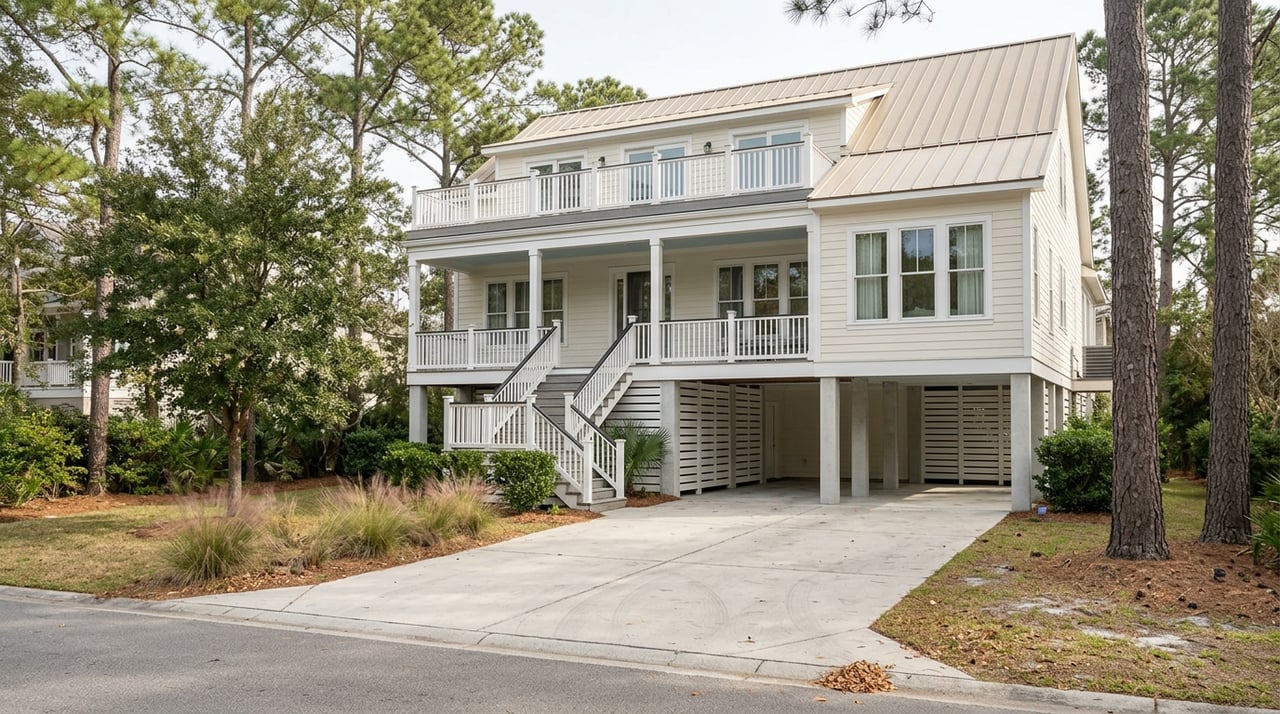
- Mechanicals: Elevate or relocate HVAC and key electrical components above expected flood elevations where practical. Clear labeling helps buyers and insurers.
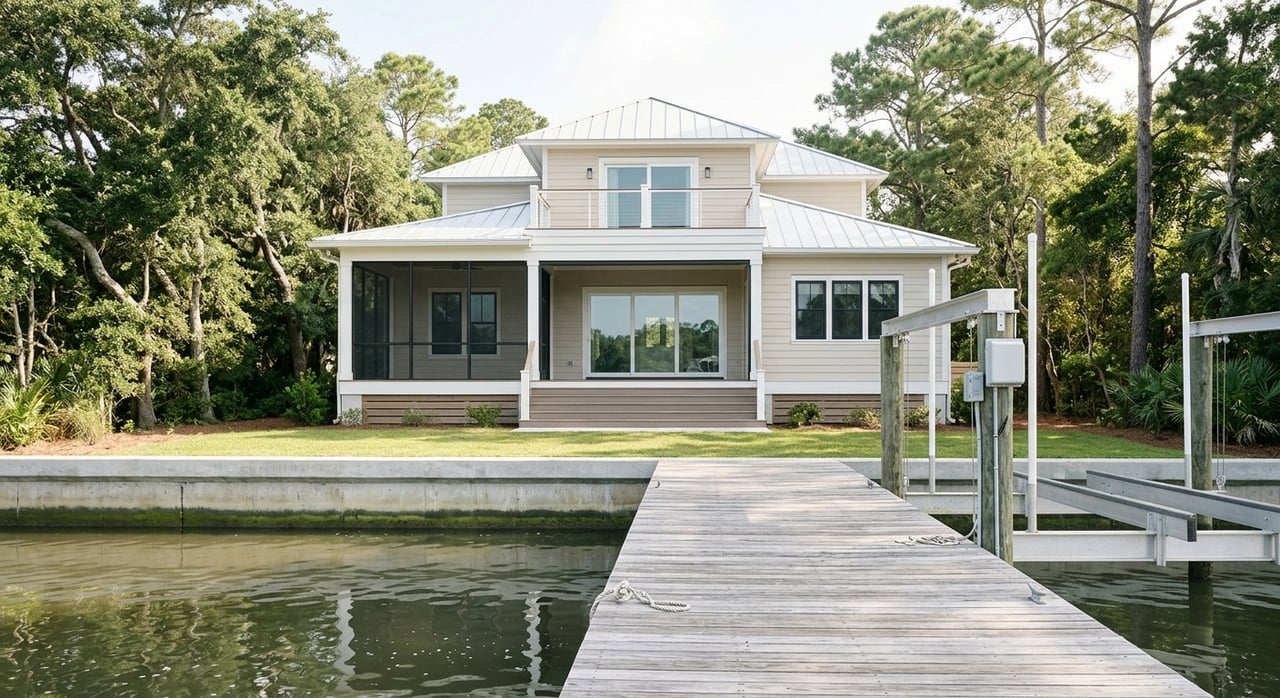
- Waterfront structures: Get recent inspections and permit history for docks, seawalls, or bulkheads and address repairs before listing.
Coastal curb appeal and landscaping
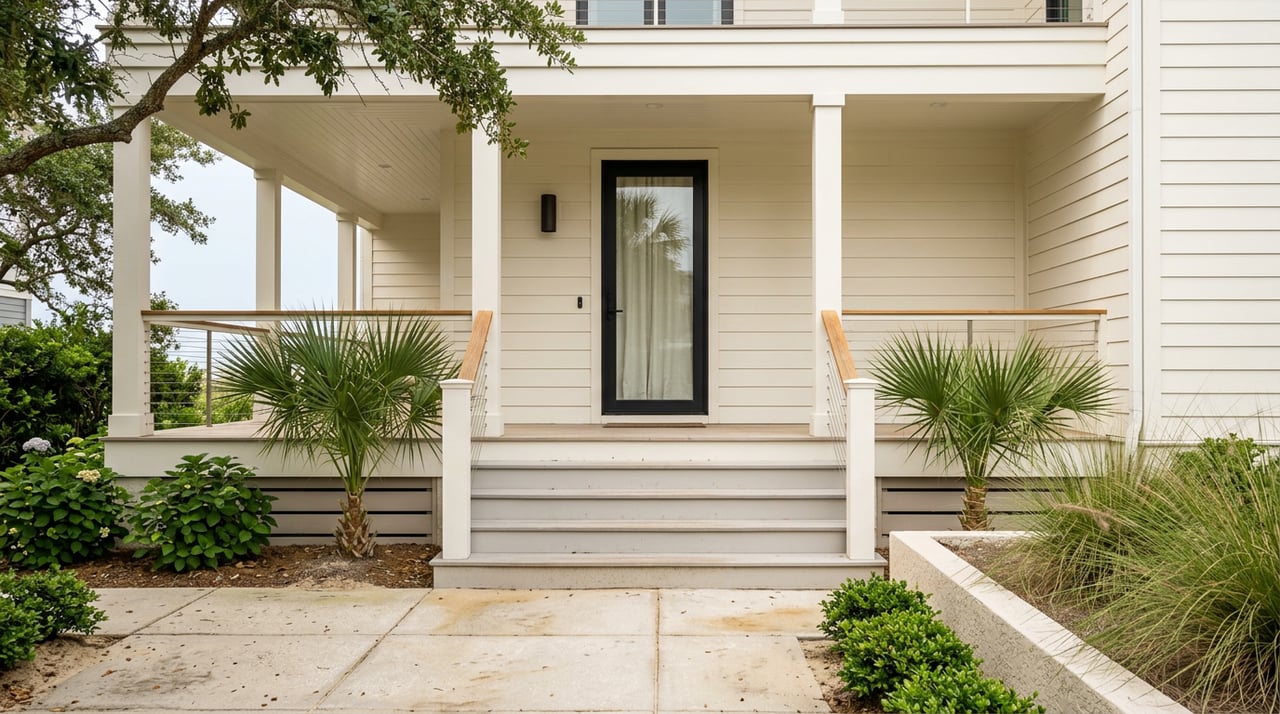
- Choose native, salt-tolerant plants and keep pathways, decks, and railings clean and corrosion-free. Tidy exterior metals and fresh coastal-grade paint signal low maintenance.
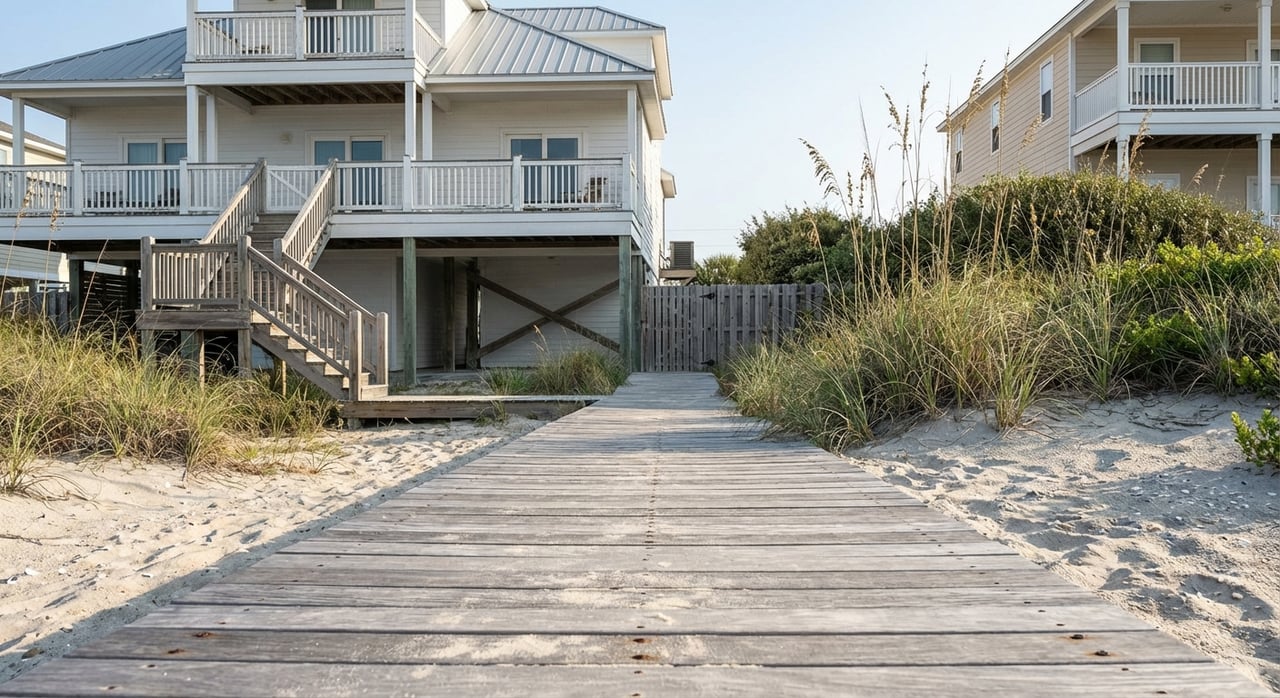
- On barrier properties, use dune grasses appropriate to the site to stabilize and frame views. NC Sea Grant outlines why sea oats and similar plants matter for dunes. Explore coastal planting guidance.
- Before altering dunes or shoreline vegetation, check local rules and permits. Start with New Hanover County’s floodplain resources.
Stage and market like a pro
Beautiful presentation widens your buyer pool and supports higher offers.
Staging that sells
The National Association of REALTORS reports that staging frequently reduces time on market and that 29 percent of agents saw staged homes receive a 1 to 10 percent higher offer value. See highlights from the 2025 staging report.
Focus on these rooms first:
- Living room: Declutter, float furniture to open sightlines to the water, and layer lighting.
- Kitchen: Clear counters, style a few high-quality accents, and keep finishes bright.
- Primary suite: Neutral bedding, soft textures, and simple art to convey calm.
Add subtle, upscale coastal touches, and pare back personal items so the lifestyle story takes center stage.
Professional photos, video, and 3D tours
High-quality media increases online engagement and can support faster, stronger offers. Industry analysis found that professionally photographed listings often sell faster and for several thousand dollars more than similar homes with amateur photos. Read the industry study on pro photography ROI.
For premium listings, plan:
- A curated hero photo set, including twilight shots.
- Drone aerials to show lot context, view corridors, and water access.
- A cinematic video and a 3D walkthrough to capture flow and outdoor living.
- Floor plans and a polished property brochure to share at showings.
Your streamlined prep timeline
Stay organized with a simple sequence that reduces surprises and keeps momentum.
0 to 7 days
- Agent consult and CMA to align on price range and target buyers.
- Pull FEMA flood panel and check county floodplain resources. Locate any Elevation Certificate.
7 to 14 days
- Order targeted pre-list inspections: roof or wind-mitigation, WDO/termite, HVAC, and septic or sewer verification as applicable.
- Assemble disclosure documents, including flood policy details and any claim history.
2 to 6 weeks
- Complete priority repairs and resilience work. Tackle curb appeal, landscaping, and corrosion cleanup.
- Book staging and professional media, including drone and 3D.
Listing week
- Deep clean, stage, and capture twilight photos.
- Launch your property site and execute targeted digital and print placements that reach in-market and out-of-area buyers.
Smart spend: where your budget works hardest
Every property is unique, but these tiers help you prioritize.
Quick wins under $5,000
- Corrosion cleanup on railings and hardware
- Exterior pressure wash and fresh coastal-grade paint touch-ups
- LED lighting, neutral textiles, and minimal decor to brighten key rooms
- Landscape refresh with native, salt-tolerant plants
Mid-range $5,000 to $30,000
- Partial staging or full-room packages in living, kitchen, and primary suite
- Deck and siding repairs, refinishing, and hardware upgrades
- Impact-rated shutters on key exposures
- Professional media suite with drone, twilight, video, 3D, and floor plans
Major resiliency investments
- Roof replacement, ideally to an IBHS FORTIFIED standard where appropriate
- Impact-rated windows and doors on major exposures
- Elevating HVAC and critical electrical components
Note: Obtain local quotes and weigh cost, timing, and likely buyer response. Well-documented resilience can improve insurability and buyer confidence.
Keep negotiations clean and simple
Transparency moves premium buyers faster. Create a tidy pre-listing packet that includes:
- Completed RPOADS disclosure and any updates
- Recent inspection summaries and receipts for significant repairs
- Flood information: FEMA panel, any Elevation Certificate, current policy details, and claim history
- Survey or site plan, HOA or community documents, and waterfront permit records if applicable
Historic district considerations
If your property is within a City of Wilmington historic district, verify exterior change requirements and timelines before you make visible updates. Understanding these guidelines up front keeps your project on schedule and prevents costly rework.
Work with a concierge advisor
Premium results come from doing the right things in the right order, then amplifying your home with world-class presentation and targeted exposure. If you want a step-by-step plan, vendor coordination, and marketing that reaches both local and out-of-market buyers, connect with Melanie Dunn for concierge-level guidance and global distribution.
FAQs
What helps a Wilmington coastal home achieve a premium price?
- Reduce risk with clear flood and permit documentation, invest in visible resilience, and pair expert staging with professional media to broaden your buyer pool.
How do I confirm my home’s flood zone and what should I share with buyers?
- Use FEMA’s Flood Map Service Center to pull your panel, add any Elevation Certificate, and include current flood policy details and claim history in your pre-listing packet.
Do I need a FORTIFIED Roof to sell at the top of the market?
- It is not required, but documented upgrades like an IBHS FORTIFIED Roof can improve buyer confidence and may support better insurance options.
How much should I budget for staging a premium coastal home?
- Costs vary by scope, but partial staging for key rooms often runs a few thousand dollars and can reduce time on market while supporting stronger offers.
Will private flood insurance help my sale?
- Private options can be competitive in coastal areas; obtaining quotes alongside NFIP pricing helps buyers understand carrying costs and can ease lender approval.
What is a realistic timeline to list before hurricane season?
- Plan 4 to 6 weeks for inspections, repairs, staging, and media, with extra buffer for contractor lead times during pre-season demand.