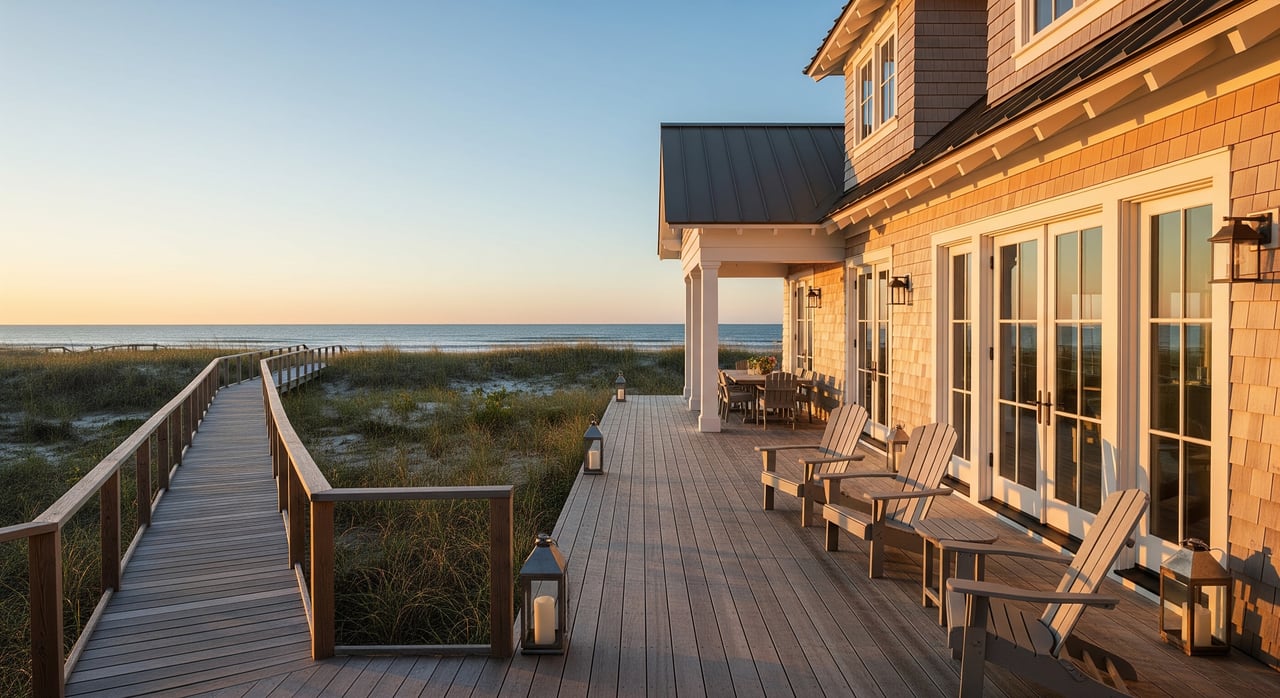
Ever imagine slipping away to a quiet beach town where your mornings start with a pier walk and your evenings end with a peaceful ocean breeze? Owning a second home in Surf City gives you that rhythm and more. If you are weighing lifestyle, rental potential, and the true costs of coastal ownership, you are in the right place. In this guide, you will learn what daily life feels like, which property types fit different goals, what to verify before you buy, and how to plan for insurance, maintenance, and rentals. Let’s dive in.
Surf City lifestyle at a glance
Surf City sits on Topsail Island, a barrier island with sandy beaches, a classic fishing pier, and direct access to the Intracoastal Waterway. The town runs on a seasonal calendar. Summers are lively, with fuller restaurants and busy beach access points. Fall and winter are calmer, with easier parking, shorter waits, and a more local pace.
Summer energy
In late spring through early fall, you can expect a steady stream of visitors and high rental occupancy. Days revolve around beach time, pier or surf fishing, and casual dining. Outdoor rentals for kayaks, paddleboards, and boats are easy to find. Parking near popular access points fills early, especially on holiday weekends.
Off-season calm
From late fall into winter, the island feels spacious and relaxed. You will find quieter beaches, lighter traffic, and more availability at restaurants. Many businesses adjust hours, yet a core set of cafés and eateries stay open year-round. Cooler months are great for long walks, birdwatching, and fishing without the crowds.
Property types and lifestyle fit
Choosing a second home here is about how you plan to use it. Space, maintenance, insurance, and rental flexibility vary by property type.
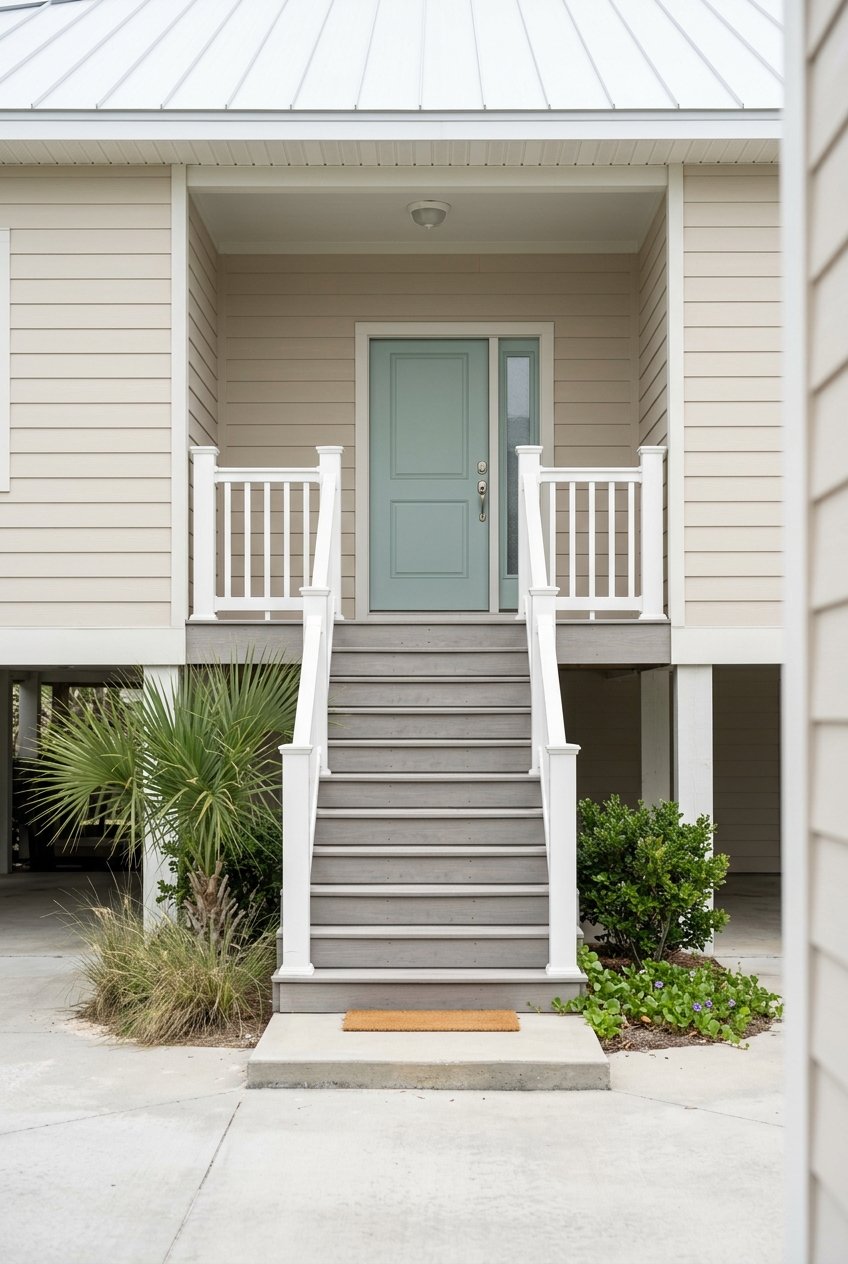
Single-family raised beach houses
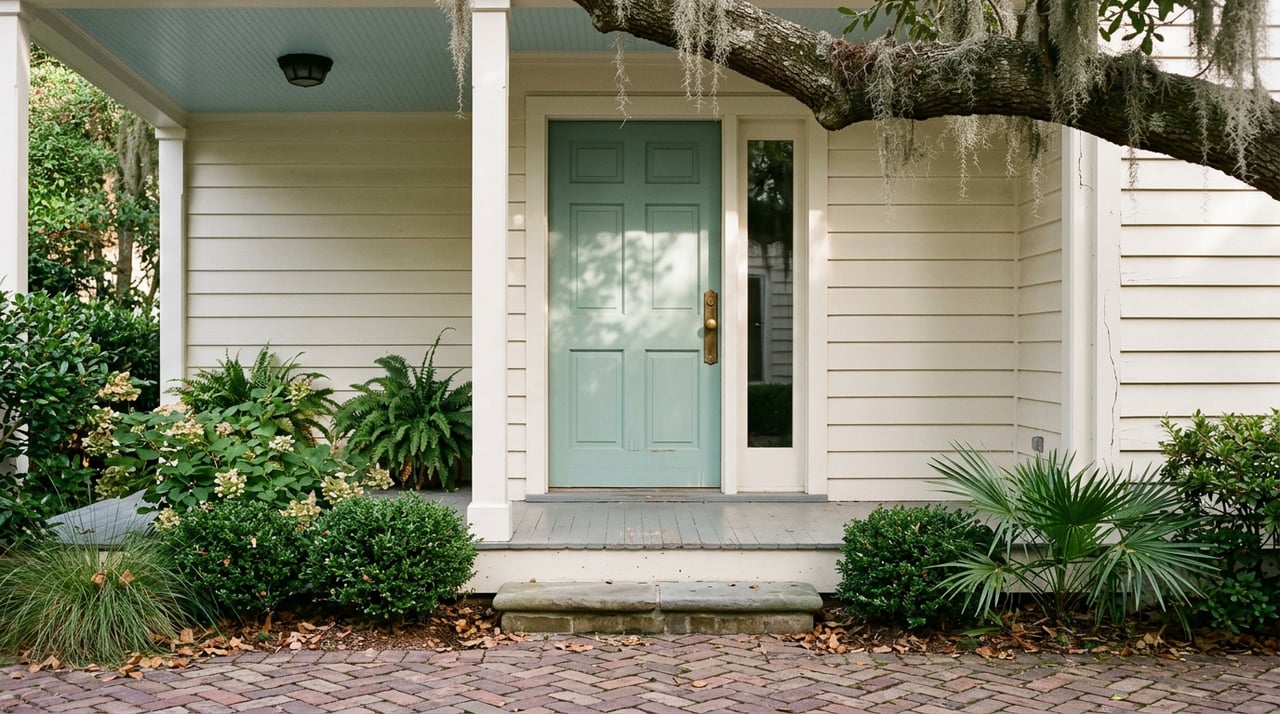
- Lifestyle fit: Classic beach-house feel with decks, dune views, and room for guests. Good for extended stays and gatherings.
- Pros: Privacy, direct or close beach access, space for gear and vehicles.
- Trade-offs: Higher upkeep due to salt and wind exposure, elevated construction, and typically higher insurance costs.
Condos and townhomes
- Lifestyle fit: Low-maintenance, lock-and-leave convenience. Often closer to services and sometimes offer amenities like pools and landscaping.
- Pros: Simplified ownership and easier management if you travel frequently.
- Trade-offs: HOA fees, potential rental restrictions, and less private outdoor space.
Duplexes, cottages, and smaller houses
- Lifestyle fit: Flexible use if you plan to occupy one unit and rent the other. A practical middle ground for mixed personal use and income.
- Pros: Relative affordability compared with larger single-family homes in similar locations.
- Trade-offs: Shared walls or systems and added complexity if you manage rentals.
Lots and newer construction
- Lifestyle fit: Build to current coastal codes and design your ideal floor plan.
- Pros: Modern features, elevated foundations, and contemporary wind and flood standards.
- Trade-offs: Longer timelines, permitting steps, and coastal construction costs. You also need to account for dune and environmental protections.
What daily life really looks like
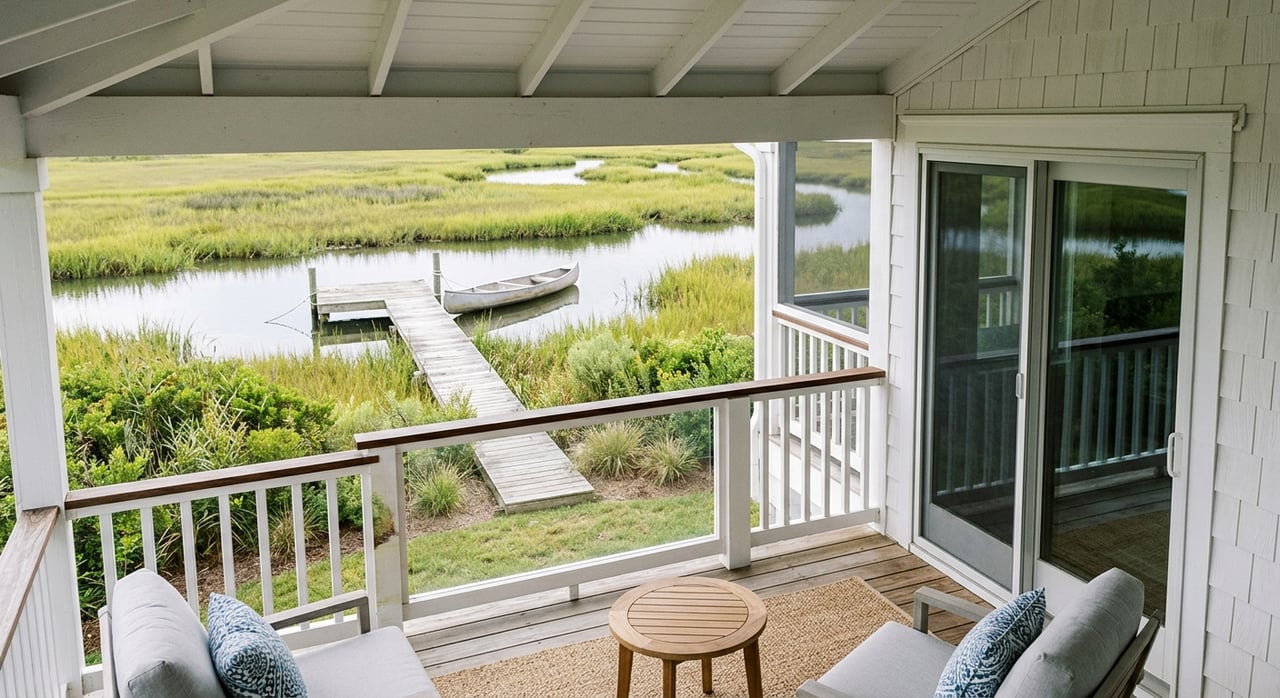
A typical summer weekend might start with coffee on the deck, a morning walk on the pier, and a midday beach session before lunch at a local seafood spot. Afternoons are for paddling on the sound or cruising the Intracoastal Waterway. Evenings often mean takeout on the porch, listening to waves. In the shoulder seasons, you get the same ritual with more space and an easier pace.
Costs, insurance, and risk
Owning on a barrier island brings specific considerations. Plan ahead for coverage, utilities, and maintenance.
Flood and wind coverage
- Flood risk: Portions of Surf City lie in flood zones, and flood insurance is often required by lenders. It is also strongly recommended even outside mapped zones.
- Wind and hurricanes: Coastal windstorm coverage is common. Insurers may require wind mitigation features and elevated construction.
- Usage matters: Policies can differ for owner-occupied second homes versus short-term rentals. Confirm coverage details and any restrictions with a local agent.
Taxes and recurring fees
- Property taxes: Assessed at county and municipal levels. Verify current rates and assessment methods with the appropriate offices.
- Occupancy taxes: If you rent short term, plan for state and local occupancy or room taxes.
- HOA fees: Typical for condos and some communities, potentially covering insurance components, landscaping, amenities, or dune maintenance.
Utilities and maintenance
- Utilities: Confirm if the property has municipal sewer or a septic system, and check available internet speeds. This matters for rental approvals and remote work.
- Salt exposure: Salt air accelerates corrosion and wear on HVAC, appliances, metals, and exterior finishes.
- Storm prep: Seasonal preparation is normal, including shutters, tie-downs, and other wind-resistance features.
Environmental and dune protections
Coastal dune protections, beach nourishment, and long-term erosion trends can affect property conditions over time. Construction or landscaping near dunes often requires permits and compliance with state and local rules. Consider long-range coastal studies if you plan a major project.
Renting your Surf City second home
Short-term rental potential is strong in peak season and weaker in off-season. Your results depend on location, home quality, and how many nights you release to the market.
Rules to confirm before you list
- Registration or permitting may apply, with occupancy limits or minimum stays.
- Safety and inspection requirements are common.
- State and local occupancy taxes typically apply and must be collected and remitted.
- Rules can change. Confirm current requirements with the Town of Surf City and Pender County before buying.
Revenue and management
Demand patterns: Highest from Memorial Day to Labor Day and on major holidays. Shoulder seasons can be steady for fishing and mild weather.
Management: Expect to handle cleanings, guest communication, compliance, and maintenance if you self-manage. Local property managers can handle these tasks for a fee that often varies by service level.
Getting here and getting around
Surf City is bridge-connected to the mainland. Peak-season traffic can be heavier on weekends and holidays, especially during check-in windows. Wilmington International Airport is the primary regional air hub for many owners, while larger airports farther inland are a longer drive and used by some travelers.
Neighborhood patterns to know
- Beachfront blocks: Highest premiums and the closest dune or beach access. Expect stricter elevation and building requirements and greater storm exposure.
- Near-beach, walkable corridor: Short walks to the pier, shops, and dining. A strong fit for weekend use and simple routines.
- Mainland and ICW-facing areas: Often appealing for boating and canal or slip access. These locations can be less exposed to surf-driven erosion.
- Inland Pender County: More budget-friendly and simpler highway access, but you will drive to the beach.
Second-home buyer checklist
Use this list to stay focused as you evaluate properties and plan ownership.
- Confirm short-term rental rules, registration, and inspection needs with the town and county.
- Order a current FEMA flood map and, if available, an elevation certificate. Get flood quotes.
- Obtain windstorm and dwelling insurance quotes from local coastal specialists.
- Verify municipal sewer versus septic, and confirm internet availability and speeds.
- Ask about beach nourishment, dune management, and any planned coastal projects.
- Speak with a local property manager to estimate occupancy, nightly rates, and management fees.
- Schedule a thorough inspection that looks at salt-air wear, roof, HVAC, elevation, and wind mitigation features.
- Check property tax rates, HOA rules and fees, and any special assessments.
How Melanie Dunn guides your search
You should feel confident and cared for from first call to closing. With neighborhood-level insight into Surf City and Topsail Island, a concierge approach to out-of-market buying, and clear, practical guidance on insurance, rentals, utilities, and permitting, you can move forward with clarity. When you are ready, connect with Melanie Dunn to explore listings, compare property types, and map a plan that fits your lifestyle and budget.
FAQs
How crowded is Surf City, NC, in summer compared with winter?
- Summer brings higher visitor volume, busier beach access, fuller restaurants, and heavier weekend traffic. Fall and winter are quieter with easier parking and shorter waits.
Is flood insurance required for a Surf City second home?
- Lenders often require it if the property is in a mapped flood zone, and it is strongly recommended even outside mapped zones because of barrier-island risk.
Can I legally rent my Surf City second home short term?
- Many beach towns regulate short-term rentals. Verify current Surf City and Pender County rules, registration, occupancy limits, inspections, and tax requirements before you buy.
What coastal maintenance should I plan for in Surf City?
- Expect faster wear from salt air on HVAC, appliances, metals, and exterior finishes, plus seasonal storm prep such as shutters and wind-resistance checks.
Which Surf City property type is best for low-maintenance use?
- Condos and townhomes typically offer lower-maintenance ownership and easier lock-and-leave living, though HOA fees and rental rules may apply.