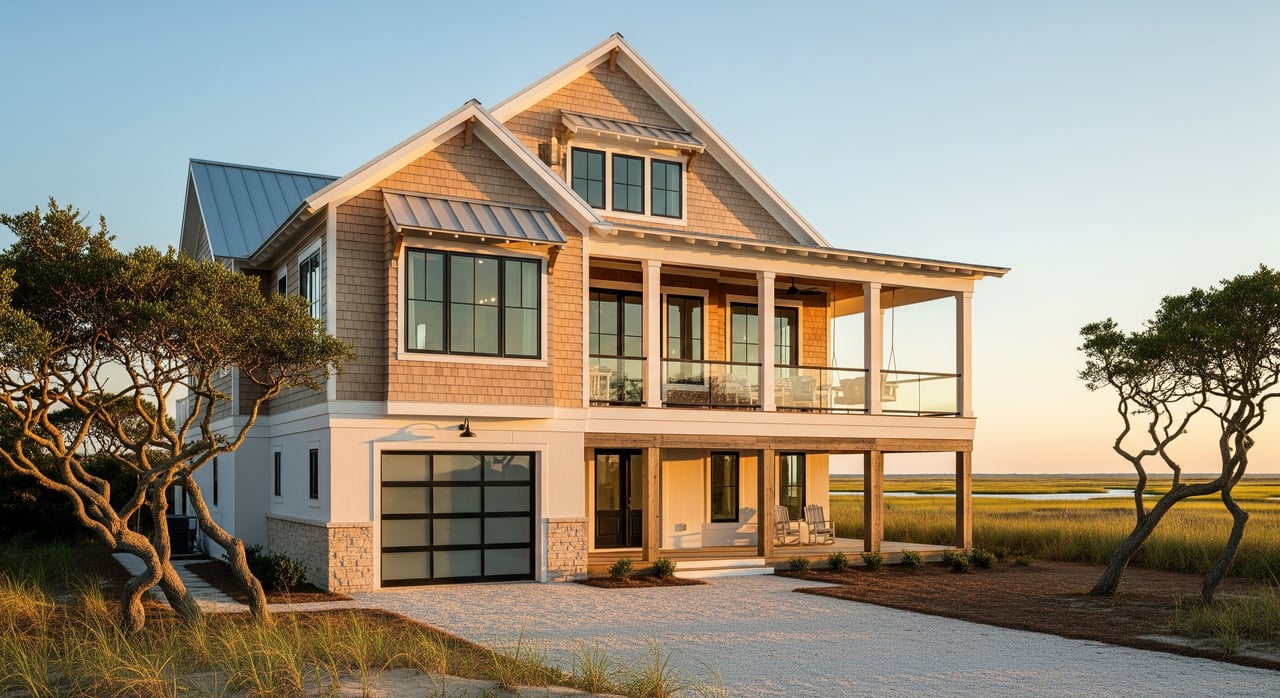
Dreaming of a new home near Surf City without the barrier‑island price tag? You are not alone. Many buyers look to Holly Ridge for newer neighborhoods, value, and quick access to Topsail Island beaches. In this guide, you will learn how new construction works here, what timelines to expect, which approvals matter, and how to navigate coastal factors like flood zones and wind standards. Let’s dive in.
Why Holly Ridge for new builds
Holly Ridge sits on the mainland just west of Topsail Island, giving you a short drive to Surf City, Topsail Beach, and North Topsail Beach. Buyers often choose the town for lower land costs and newer subdivisions compared with on‑island options. The area serves a mix of retired and seasonal buyers, military households stationed near Camp Lejeune and MCAS, commuters to Jacksonville, and investors seeking second homes with rental potential. If you want modern, low‑maintenance living close to the beach, Holly Ridge checks key boxes.
What you can buy or build
Spec and inventory homes
Spec, or inventory, homes are completed or near completion. You can often move in within weeks to a few months, depending on the finishing stage. These are ideal if you want a faster timeline and fewer selections to manage.
To‑be‑built and semi‑custom
With to‑be‑built homes, you select a floorplan, options, and finishes after signing a contract. Construction starts after permits and approvals. Expect more choice, but also a longer process from permitting to certificate of occupancy.
Model homes
Builders use model homes to showcase floorplans and finishes. These may be sold furnished or converted to inventory when a community nears completion. If you love a model, ask about timing and what is included.
Timelines and what affects them
Spec homes can be ready in weeks or a few months, depending on current progress. To‑be‑built homes commonly take about 4 to 9 months from permit to certificate of occupancy, and larger builds or coastal foundations can add time. Your schedule can also shift based on:
- Permit turnaround and inspection schedules.
- ARB or HOA design approvals.
- Utility availability and tap timing.
- Weather, especially coastal storms.
- Foundation type, such as pier or pile versus slab.
- Lead times for windows, cabinets, and HVAC.
- Travel or remote logistics for selections and walkthroughs.
Contracts, deposits, financing
Know your contract
Builder contracts vary. Review deposit structure, refund rules, construction timelines and extensions, change order process, warranty terms, and closing requirements tied to the certificate of occupancy. Some builders accept financing or appraisal contingencies, while others expect noncontingent approvals.
Deposits and design funds
Earnest money is typically due at signing and may be a flat amount or a percentage. Builders may also request option or design deposits, especially for upgraded selections or lot holds. Refundability and escrow treatment vary, so read each clause carefully and get terms in writing.
Financing paths
Spec homes are usually financed with a standard mortgage at closing. For to‑be‑built homes, options include builder financing, construction‑to‑permanent loans, or buyer‑arranged construction financing. Appraisals can be tricky for new builds because comparable sales may lag, so confirm how your lender will handle valuation and timing.
Insurance and escrow
Before you sign, verify wind and hurricane insurance needs and costs, and confirm whether flood insurance applies based on the property’s FEMA flood zone and elevation. Builders typically carry builder’s risk during construction, with responsibility shifting to you at closing.
HOAs, ARBs, and permits
Many coastal subdivisions have an Architectural Review Board that oversees exterior design, materials, colors, roof pitch, landscaping, and placement of mechanical equipment. Approval often happens before permits are issued. The review window can range from days to weeks, depending on the schedule and how complete the submittal is.
HOAs set rules on maintenance, exterior changes, parking, and rental policies. Some communities allow short‑term rentals with registration, while others restrict them. Review the CC&Rs, fee schedules, and financials before you commit so you know the rules and any upcoming assessments.
Expect to see building permits, floodplain permits where applicable, septic or sewer connection permits, and erosion or stormwater controls. Onslow County and the Town of Holly Ridge manage local reviews. Ask your builder for permit status updates and estimated timelines.
Coastal site factors to review
Flood zones and elevation
Lots near Topsail Island can fall within FEMA flood zones such as AE, VE, or coastal A zones. Premiums and lender requirements depend on the zone and the Base Flood Elevation. Request the elevation certificate, finished floor elevation, and survey details to estimate flood‑insurance needs and confirm compliance.
Foundations and wind standards
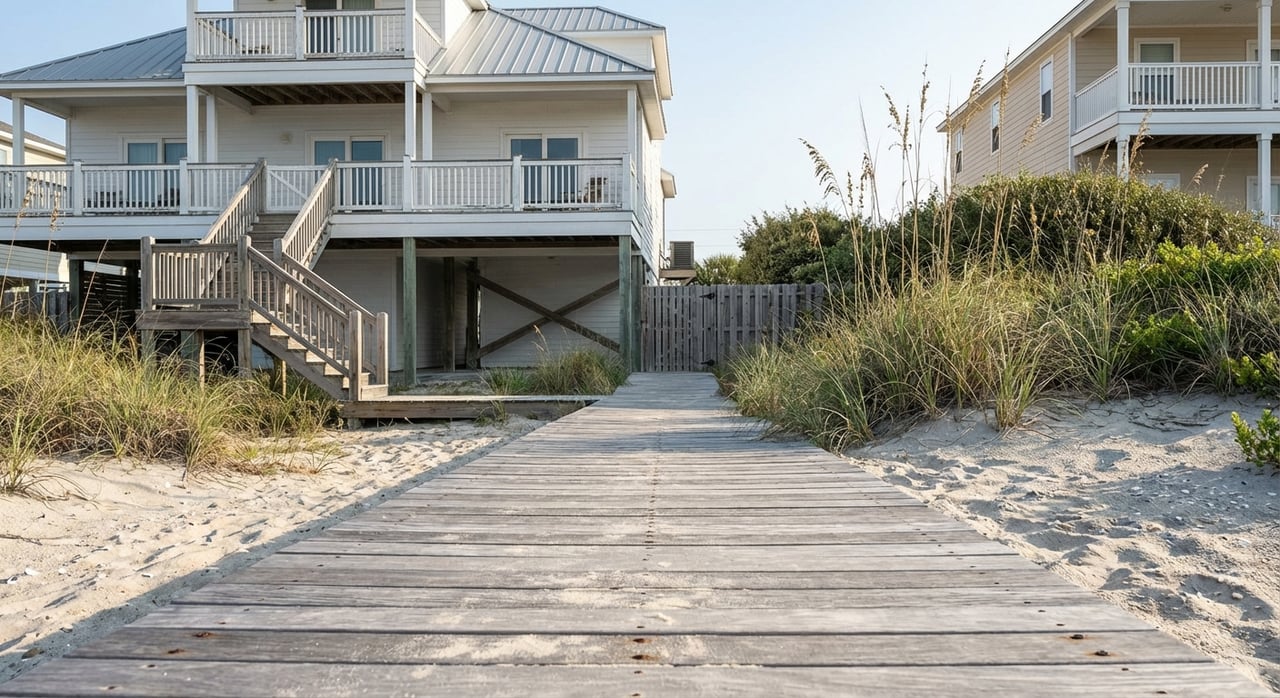
Coastal homes often use elevated foundations, including pile or pier systems, to meet flood and wind requirements. You may also see hurricane straps, impact‑rated openings, and reinforced roof systems. These details can affect cost, access, and how you plan to use ground‑level space.
Drainage and durable materials
Stormwater management is a priority in the coastal plain. Review grading, swales, and curbside drainage on plans. Many builders offer resilient materials like fiber cement siding or engineered products to reduce long‑term maintenance.
Design selections and changes
Your choices fall into three buckets: structural options, interior finishes, and exterior details. Builders typically offer allowances for items like cabinetry or countertops, with upgrades billed as change orders. Once construction starts, changes usually cost more and can delay the schedule, so make decisions early and get pricing and timeline impacts in writing.
If you are buying from out of town, ask which selections can be handled virtually, whether the builder offers remote design appointments, and what deadlines apply. Request a written selections calendar and a list of vendor showrooms if you want to compare options.
Inspections, warranties, closing
County inspectors review foundations, framing, rough mechanicals, insulation, and final code compliance. You can also hire an independent inspector for added oversight at key milestones like pre‑drywall and pre‑final. Plan a detailed punch list during your final walkthrough and document items that need attention.
Most builders provide tiered warranties, commonly one year for workmanship and materials, several years for mechanical systems, and longer coverage for major structural defects. Confirm the start date, coverage, and claims process. Occupancy typically follows the certificate of occupancy; make sure your contract spells out CO timing, utilities, and final cleanup.
Out‑of‑market buyer checklist
Pre‑contract
- Verify the lot’s flood zone and ask for elevation details.
- Request recent comparable sales in the community.
- Confirm builder licensing and check references.
- Review sample contracts, warranty documents, CC&Rs, and ARB guidelines.
During construction
- Establish a local point of contact and a weekly update cadence with photos or video.
- Schedule independent inspections at pre‑pour, pre‑drywall, and pre‑final.
- Track selection deadlines and allowances. Get every change order in writing with price and schedule impacts.
Closing and beyond
- Obtain a final elevation certificate if applicable and confirm flood‑insurance requirements.
- Organize warranties, as‑builts, and maintenance guides.
- Know how to submit warranty claims and expected response times.
Next steps
If you want a move‑in ready option or a to‑be‑built plan near Surf City, Holly Ridge offers strong value with beach access, modern layouts, and newer communities. The key is to align your timeline, budget, and risk tolerance with the right builder, lot, and approval path. If you would like a calm, concierge partner to coordinate selections, inspections, and local approvals while you are out of town, connect with Melanie Dunn for guidance tailored to your goals.
FAQs
How long does new construction in Holly Ridge take?
- Spec homes can be ready in weeks or a few months, while to‑be‑built homes commonly take about 4 to 9 months from permit to certificate of occupancy, with coastal foundations and permitting possibly adding time.
What deposits are typical for new builds near Surf City?
- Builders often require earnest money at signing and may collect option or design deposits; amounts and refund rules vary by contract and may change after selection periods.
Do I need flood insurance for a Holly Ridge home?
- It depends on the FEMA flood zone, your lender’s requirements, and the home’s elevation; verify the lot’s zone and request an elevation certificate to price coverage.
Can I make changes during construction in a HOA community?
- Yes, but most changes require written change orders and may affect cost and schedule, and exterior changes usually need ARB approval before work starts.
What does the ARB control in Holly Ridge subdivisions?
- ARBs typically review exterior design, materials, colors, roof details, landscaping, and placement of equipment, and their approval often precedes permit issuance.
Can I use a VA loan on a new build in Holly Ridge?
- VA loans are commonly used for spec or completed homes at closing, while to‑be‑built homes may require construction‑to‑permanent financing arranged with your lender and builder.